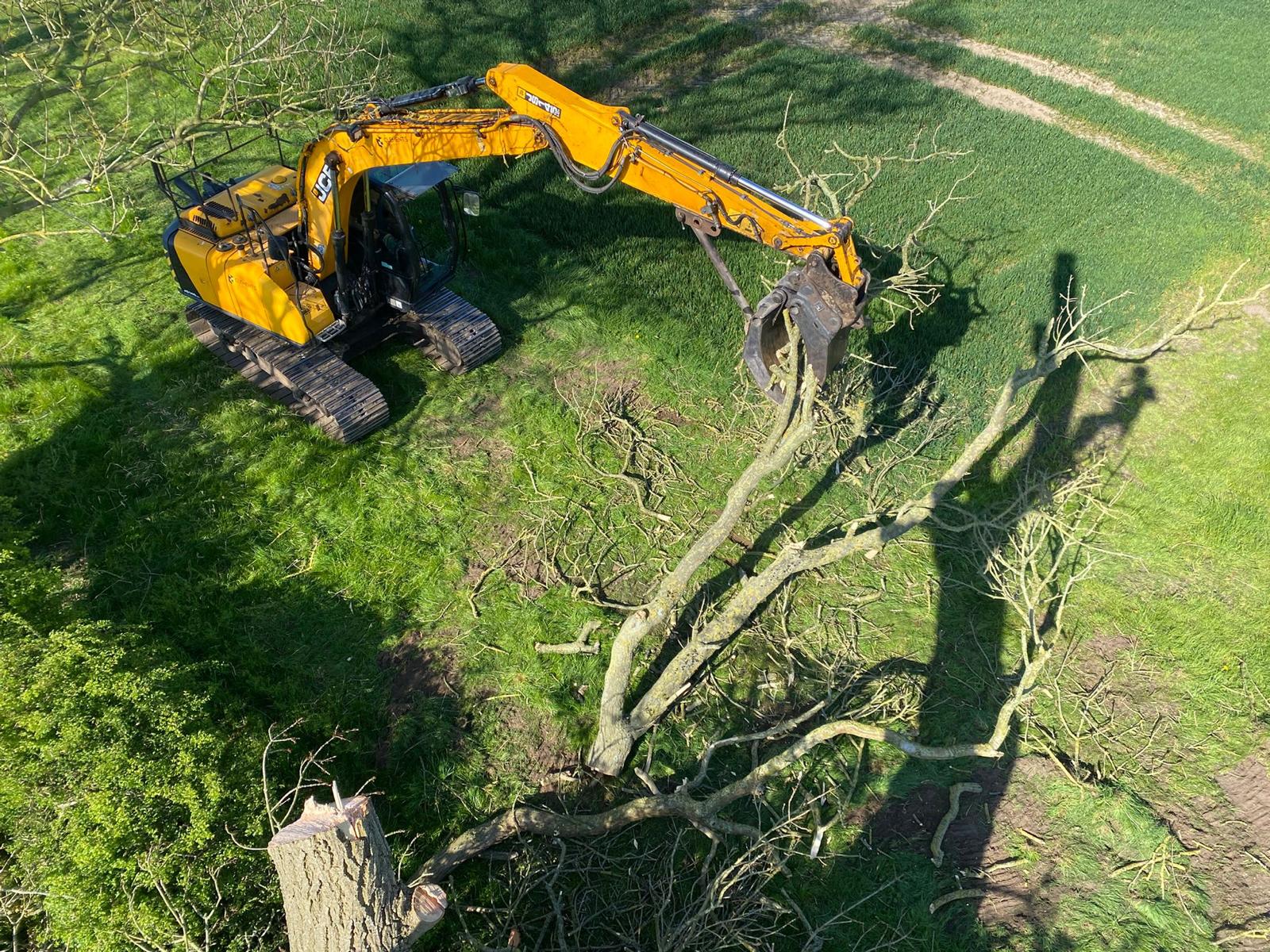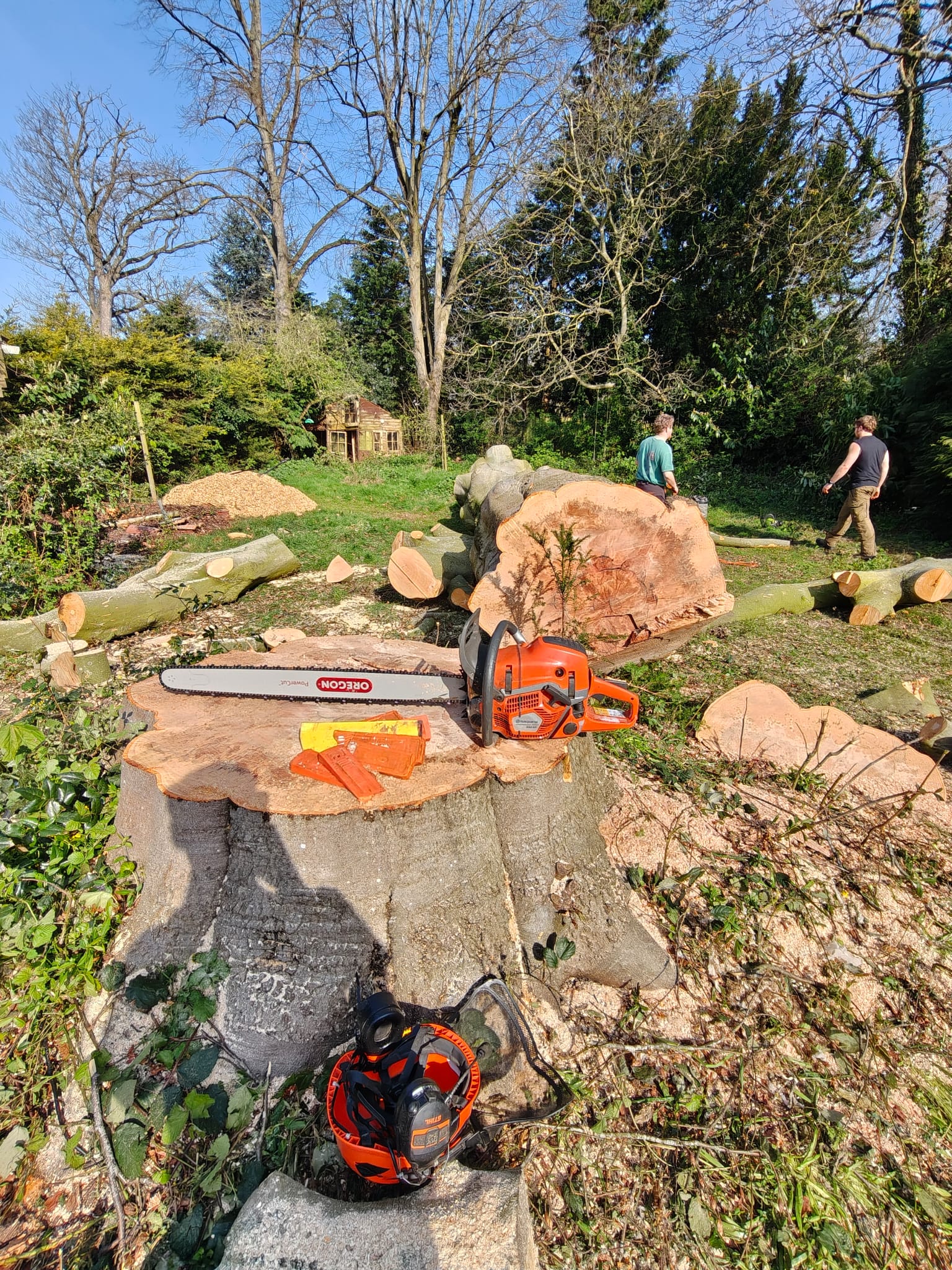
Arborists trucks, lead a hard life. They’re almost always towing or carrying something heavy, they get driven on all sorts of horrible terrain in equally unpleasant weather. As a result we’ve become rather good friends with the delightful mechanic, Jak, that keeps them all ship shape. One of the pick ups was recently in for a service and I mentioned the warning light that had popped up (hoping it was nothing serious).
“Lets have a look”
90 seconds, a cable and a laptop later and he’d the diagnosed the problem (faulty sensor) and was ordering a replacement.
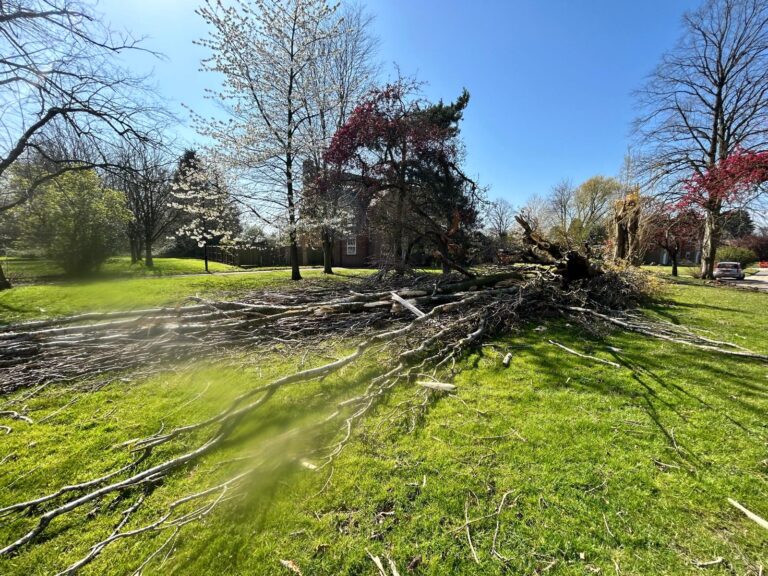
Unfortunately, trees aren’t quite that straightforward. There isn’t a port that you can plug into and get an instant report. It takes years of experience and similar amounts of training to be able to accurately diagnose every problem and even then it’s never 100%. The best is example; we were called out to clear up a large limb on an Oak, which had come down in a severe storm. Only a few weeks earlier they’d had an incredibly thorough survey done of all the trees, where anything much bigger than a sappling had been stung up with force measuring cables to check root integrity, among other things. The report they got back was as comprehensive as they come and the tree had a clean bill of health. But as freak weather shows, nothing is ever 100% certain.
But that doesn’t mean there aren’t a few tell tale signs of ill health that anyone can pick up in a few minutes.
The Obvious One – Is it dead or immediately dangerous?
When was the last time your tree had leaves on it? If the answer is more than one year then I hate to be the bearer of bad news but your tree is most likely dead. Other signs to be looking out for is cracked and peeling bark and branches that look like weathered bones.
Not all dead trees are dangerous (and they can be great for wildlife), equally not all live trees are safe.
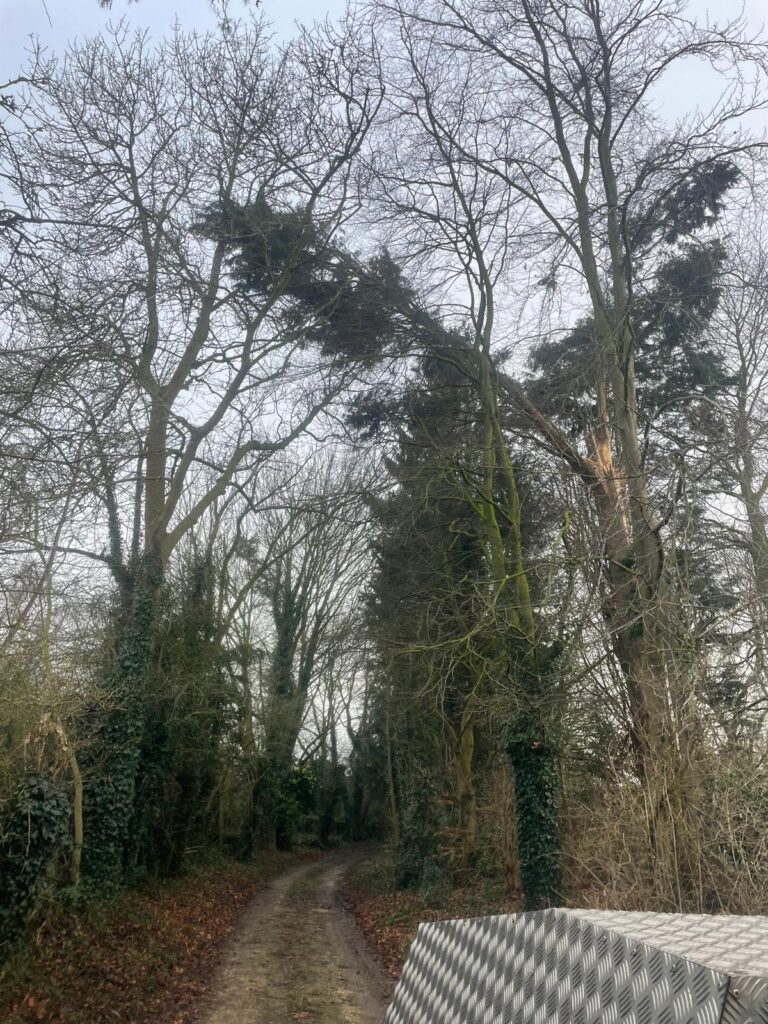
Start off by looking up into the canopy, are there any large branches suspended up there. Either torn out but partially attached or completely separated. These often get called widow makers, they seem safe enough but can be lethal when they fall.
Next look at the base, are the roots, all firmly under the ground? There should always be a bit of root showing where the trunk of the tree flairs out into it’s underground system. But if the roots are visibly lifting up and the whole stem is moving around. Get away from it very quickly.
The Slightly less Obvious
If you’ve made it this far then we’re doing well, there’s just a few other things to look out for before you can start rejoicing.
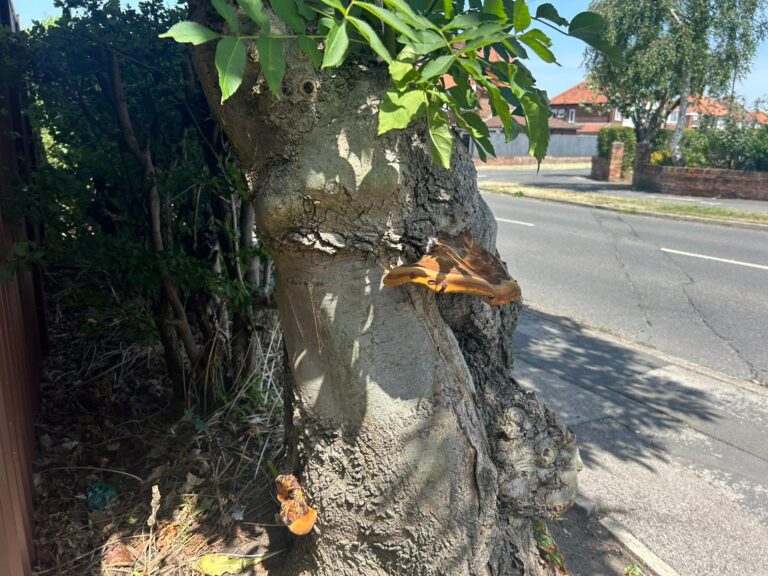
Fungus
Starting at the base and looking all the way up the stem to the branches, can you see anything that looks like a weird alien growth.
If yes look closer, is it just a weird bump in the bark or could it be fungus?
There are people who have dedicated their entire lives to studying the intricacies of fungi and yet even they don’t fully understand these mysterious mycelium. So don’t worry about what type it is or what it’s called, for now.
All we need to know is that fungal growth on trees isn’t a great sign. As a general rule, these tree dwelling fungi feed on deadwood and once they’ve eaten their fill, they form the fruiting bodies that we can see, to spread their spores. The person who first taught me about fungal decay in trees, had a rough guide that wherever you see a fungus on the stem of a tree, the rot goes at least a metre below this. This is especially important if you see fungal bodies at the base of the tree as that likely spells disaster for the root system. Which can cause things like this.
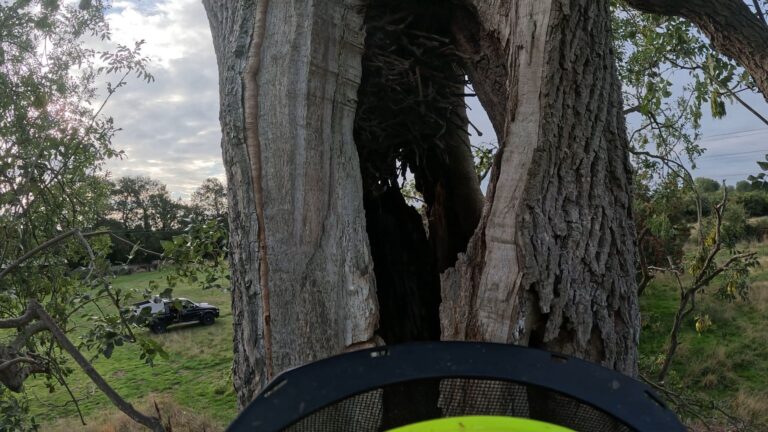
Holes
This one is probably the easiest. Is there a great big hole in the tree anywhere? If yes then it’s probably worth having someone take a look. Some of the oldest trees in the world are almost entirely hollow, so it’s far from a death sentence for your tree. It’s however definitely something to be aware of.
Deadwood
You can do this at any time of year but it’s probably easiest in summer, when the tree is in full leaf. How much of the canopy is bare?
Less than 10% – great!
More than 40% – not so great.
As trees grow, they naturally shade out some of the branches here and there throughout the canopy. These unfortunate limbs, struggle in the shade for a while and eventually give up, becoming deadwood. Over time these will naturally crumble and fall to the ground. Which as long as they aren’t over anything delicate isn’t too much of a problem. However when deadwood starts to overtake a tree, it’s a sign of something more serious. Another indicator of trouble brewing is if the tree is developing stag horns. This where the tips of the branches start dying off, with growth (often extra vigorous) below. Leaving on certain trees the appearance of horns sticking up out of the canopy.
Unlike things in the built world, trees don’t come with guarantees or load ratings, sometimes seemingly healthy limbs just drop off with no warning (spontaneous summer limb drop) or the whole tree will just drop all it’s leaves at once and never come back. Strange things happen in nature. But outside of a freak occurrence, keep an eye on your trees for anything that looks a little iffy.
And if you want a second opinion just call.